The topic CarPlay And Android Auto From One Codename One API is currently the subject of lively discussion — readers and analysts are keeping a close eye on developments.
This is taking place in a dynamic environment: companies’ decisions and competitors’ reactions can quickly change the picture.
Yesterday’s release post was about the bigger business line we will not cross: no royalties on IAP, ads, commerce or app revenue. This post is about one of the most concrete platform additions in that release. PR #5281 adds Apple CarPlay and Google Android Auto support under com.codename1.car.
What is Codename One? Codename One is an open-source framework for building native iOS, Android, desktop, and web apps from a single Java or Kotlin codebase. Learn more at codenameone.com.
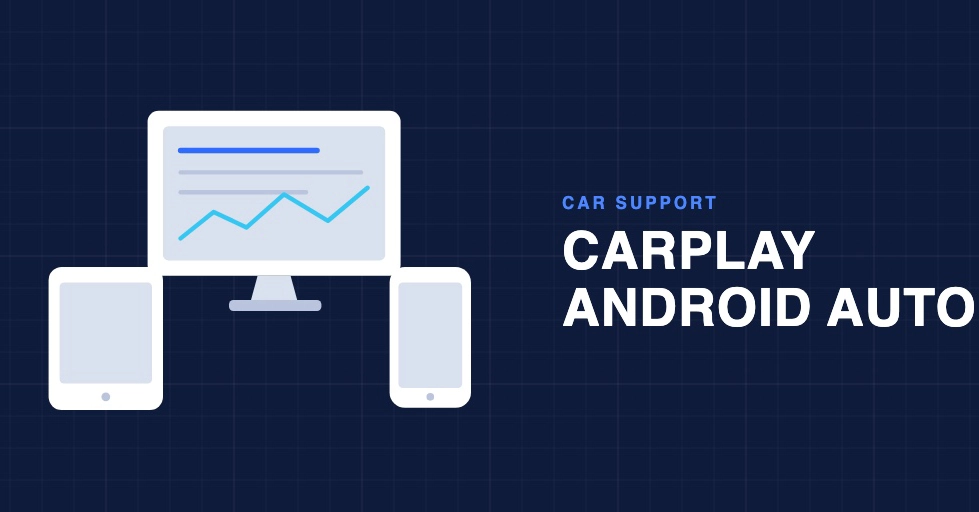
The first thing to know is what this is not. CarPlay and Android Auto are not second screens where your normal Codename One Form is drawn. They are driver-safe, template-based systems. Apple and Google decide which templates are legal in a car, how many rows can appear, which app categories are allowed, and which interactions are safe while driving.
Codename One now gives you one portable way to describe those templates.
A car app registers a CarApplication. When a head unit connects, the application returns a root CarScreen. Each screen returns one CarTemplate: list, grid, pane, message, navigation, or now-playing.
That code maps to CPListTemplate on CarPlay and ListTemplate on Android Auto. Grid items map to CPGridButton and GridItem. The now-playing template routes to the system media surface. Navigation gets a template shell with controls and ETA strips; the moving map surface is scaffolded but still being completed.
CarScreen has lifecycle hooks for create, resume, pause, and destroy. CarApplication receives connect and disconnect callbacks, and you can listen globally:
That is a good place to start and stop work that only exists while the dashboard is connected.
The build system scans your bytecode. If it sees com.codename1.car, it injects the native wiring. If it does not, the app carries none of this.
That is especially important for a framework with one codebase. A normal shopping app, game, or business tool should not gain a CarPlay dependency just because the framework knows how to build one.
Car app categories matter. The build can inject wiring, but Apple and Google still decide whether an app is allowed into the car.
Audio is the default CarPlay category when no iOS car category is specified. Messaging, navigation and point-of-interest categories need the matching hints. Restricted Android Auto categories and real CarPlay deployment still require platform approval and, for iOS, the relevant CarPlay entitlement on your Apple App ID.
That is not a Codename One limitation. It is the safety model of the car platforms.
The simulator has a Car menu now. Car > Connect CarPlay and Car > Connect Android Auto open a simulated head-unit window that renders the same portable template tree. It is not a pixel-perfect emulator, but it gives you a fast loop for stack navigation, row caps and action callbacks.
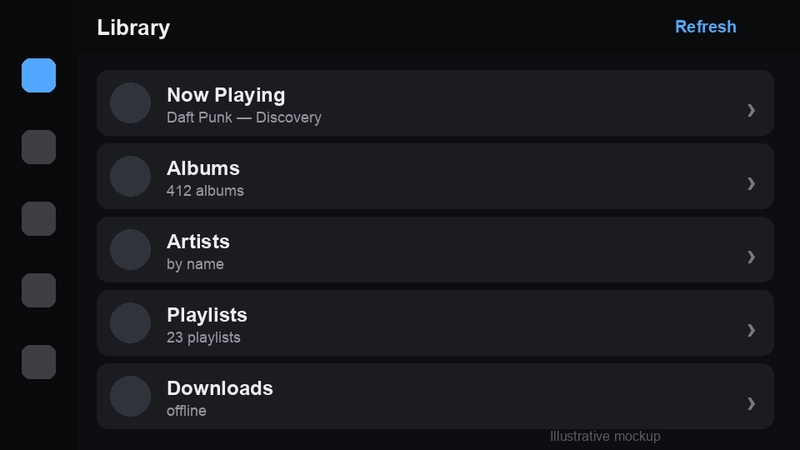
That is the right level of simulation. You can build the car experience while still working in the normal desktop loop, then use Apple’s CarPlay simulator or Android’s Desktop Head Unit when you need to test the native projection layer.
CarPlay and Android Auto support is a platform capability, not a revenue feature. There is no extra royalty because your podcast app, navigation app, or point-of-interest app reaches a dashboard. You still need Apple and Google approval for the categories they restrict, and you still need to design within the car template catalogue. Codename One now gives you the portable model and build wiring so that work lives in one codebase.
Templates let you quickly answer FAQs or store snippets for re-use.
Are you sure you want to hide this comment? It will become hidden in your post, but will still be visible via the comment’s permalink.
For further actions, you may consider blocking this person and/or reporting abuse
Thank you to our Diamond Sponsors for supporting the DEV Community
Google AI is the official AI Model and Platform Partner of DEV
DEV Community — A space to discuss and keep up software development and manage your software career
Built on Forem — the open source software that powers DEV and other inclusive communities.
We’re a place where coders share, stay up-to-date and grow their careers.