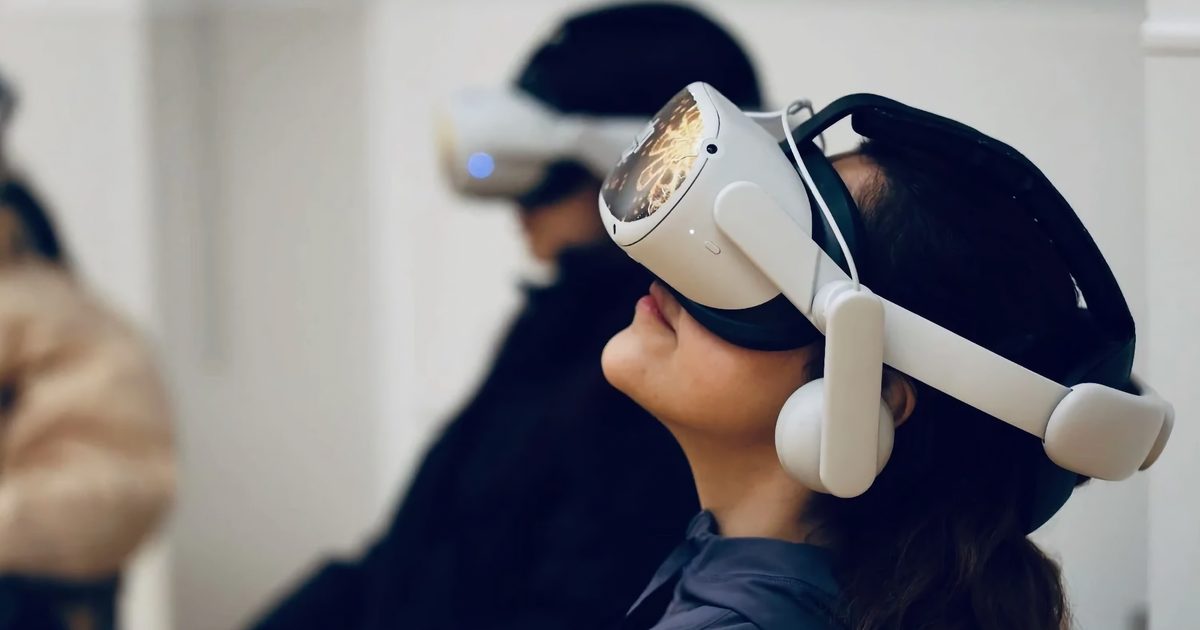
The topic Schools are using VR headsets to relieve student stress and fix attention issues is currently the subject of lively discussion — readers and analysts are keeping a close eye on developments.
This is taking place in a dynamic environment: companies’ decisions and competitors’ reactions can quickly change the picture.
Secondary schools in the London borough of Sutton are using VR headsets to help students manage exam stress, ADHD, and difficult home lives. The headsets are made by tech firm Phase Space, and the schools are running the pilot alongside the local NHS mental health trust.
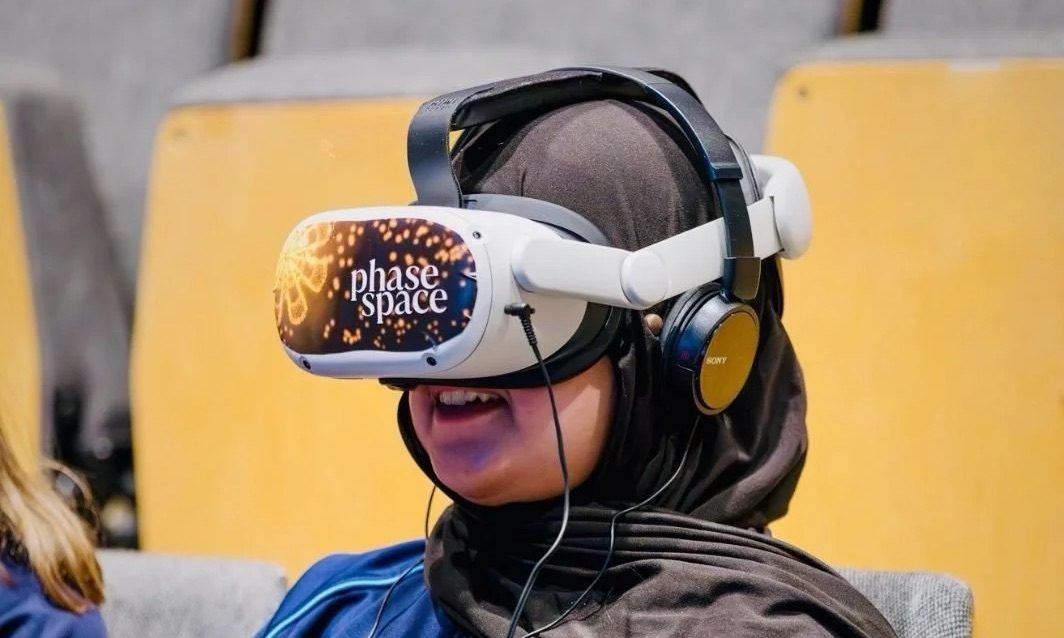
As reported by the Guardian, the seven-minute VR program gives students a quick mental reset, either during a scheduled slot or when they need to step away from class because anxiety has taken over.
according to the data Zillah Watson, the program’s co-creator and visiting professor at University College London, nine out of 10 participants have shown improvement, leading to a decrease in stress and anxiety.
Watson, who is also the former head of VR at the BBC, designed the program specifically for overwhelmed and anxious students. She says it has led to improvements in attendance, behavior, and reductions in exam-related anxiety.
Sixteen-year-old Lora Wilson described her experience: the program starts in an empty room where the light slowly fades until you feel transported somewhere else entirely. “Exams terrified me. They don’t scare me as much anymore,” she said.
Aelisha Needham, vice-principal at Ark Academy in north London, says they mostly use the headsets in the mornings, when students arrive anxious after disruptions at home or changes to their usual school routine. Since introducing the headsets, the school has seen fewer students being asked to leave lessons.
“Students are a lot calmer,” she said. Students now proactively ask to use the program when they feel overwhelmed, rather than simply walking out of class.
This is a really novel idea and one of the best applications of VR technologies in recent times. Currently, it’s being tested in 15 schools. If the impact can be replicated over longer durations and across hundreds of schools, VR headsets could become a low-cost, effective way to support struggling students before things escalate.